Mean Reversion to VWAP

Two failed breakouts that look identical on a chart often possess entirely different underlying volume profiles. The data the note orb trading crypto against hillary publishes on this covers mean reversion specifically through the lens of the Volume Weighted Average Price. This concept relies on the fact that an opening range breakout frequently fails when liquidity does not support the initial momentum. In these instances, the price often returns to the intraday mean rather than continuing the trend.
The Mechanics of VWAP Magnetism
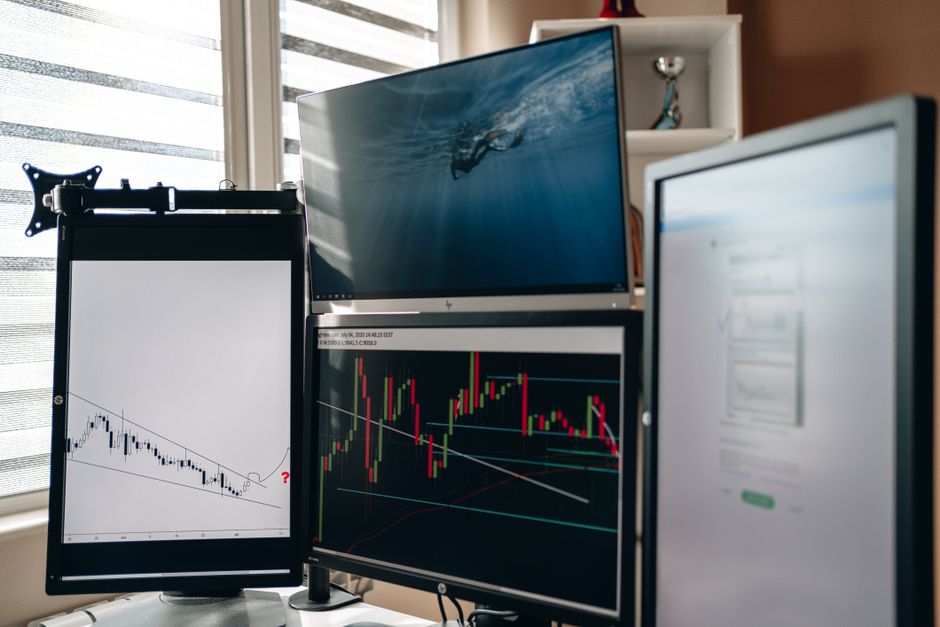
A failed opening range breakout occurs when price moves beyond the initial volatility bounds but lacks the volume to sustain the move. Instead of a continuation, the price action stalls and reverses. The Volume Weighted Average Price acts as a gravitational center during these periods. When a candle closes back inside the previous range after a failed attempt to break the session high, the probability of a move toward the VWAP increases. The math behind the indicator ensures it represents the true average cost basis for the current session. This makes it the logical target for mean reversion trades.
Identifying the Failed Breakout
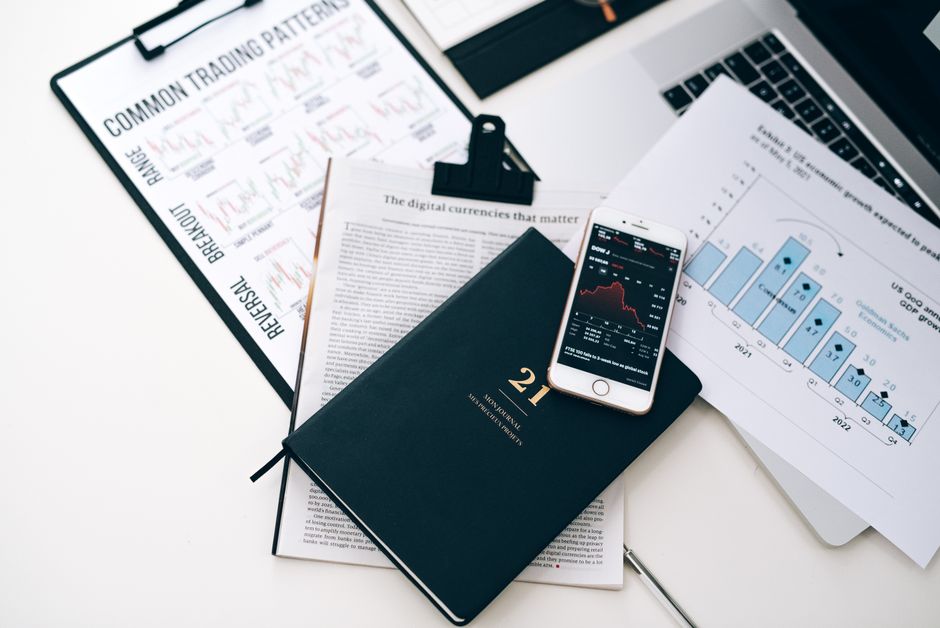
Execution requires watching the first fifteen minutes of the session to establish the initial boundaries. A trader looks for a move that exceeds the fifteen minute range but fails to hold above the previous candle lows. If the price retreats toward the VWAP while volume is declining on the retracement, the setup is mechanically valid. A small sample overstates the edge if the trader ignores the relationship between price and the volume profile. The target is not a random level, but the specific level where the most shares or coins have changed hands.
Timeframe and Execution
Using a 5 minute timeframe allows for precise entries once the failure is confirmed. The transition from an attempted breakout to a mean reversion move often happens quickly. Watching the 15 minute range provides the necessary context for the direction of the bias. If the price fails to break the opening bell volatility, the move toward the VWAP often happens during the first hour of regular trading hours. The speed of the reversion depends on the imbalance between aggressive buyers and passive sellers at the breakout level.
Risk and Volume Confirmation
The setup relies on the failure of momentum. A breakout that stays above the VWAP is a trend, not a mean reversion setup. The signal is the rejection of the level. Once the price crosses back under the breakout point, the VWAP becomes the primary objective. Monitoring the volume during the pullback is vital. Low volume on the move back toward the mean suggests a lack of interest in the breakout direction, which confirms the reversion logic. This mechanical process removes the need for speculation about where the market might go next.