Range Width Volatility Scaling
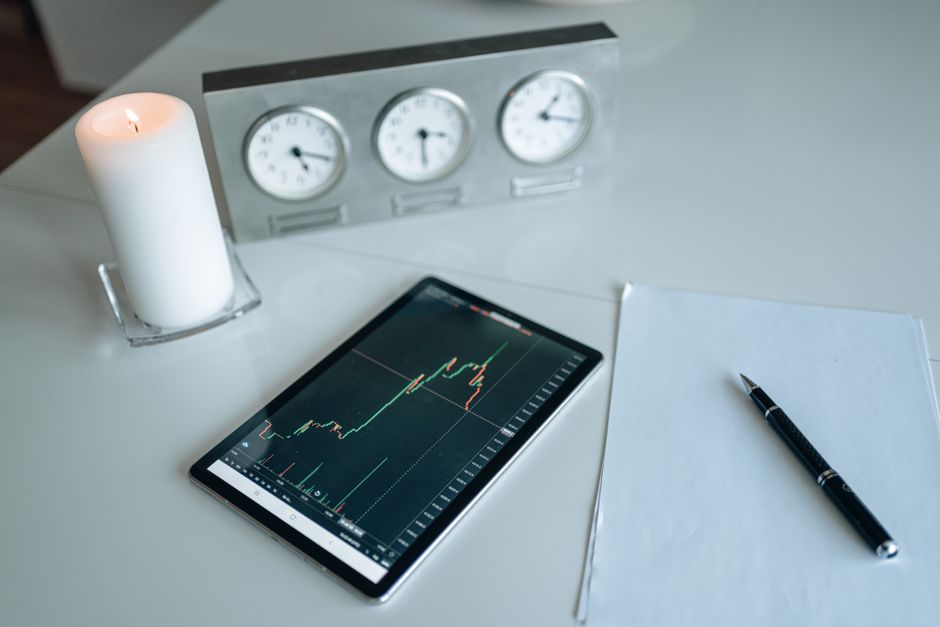
Once the first candle of the session closes, the math for the daily position must be fixed. The volatility calculations found at orb trading crypto against hillary provide the specific multipliers needed to prevent ruin during high volatility events. Using a standard opening range breakout strategy requires adjusting the unit size based on the width of the initial movement. If the five minute range expands beyond the historical average, the position size must shrink. If the range stays tight, the size can increase slightly. This mechanical approach to crypto markets removes the emotion from the execution phase.
Measuring Volatility via Range Width

The calculation starts with the distance between the session high and the session low during the first fifteen minutes. This measurement defines the intraday volatility for the remainder of the session. A standard deviation check compares this current width to the average width of the last twenty trading days. When the width exceeds two standard deviations, the risk per trade must be cut by half. This prevents a single wide opening from depleting the capital through excessive drawdown. The math stays the same regardless of whether the asset is a major coin or a low cap token.
The Scaling Mechanism
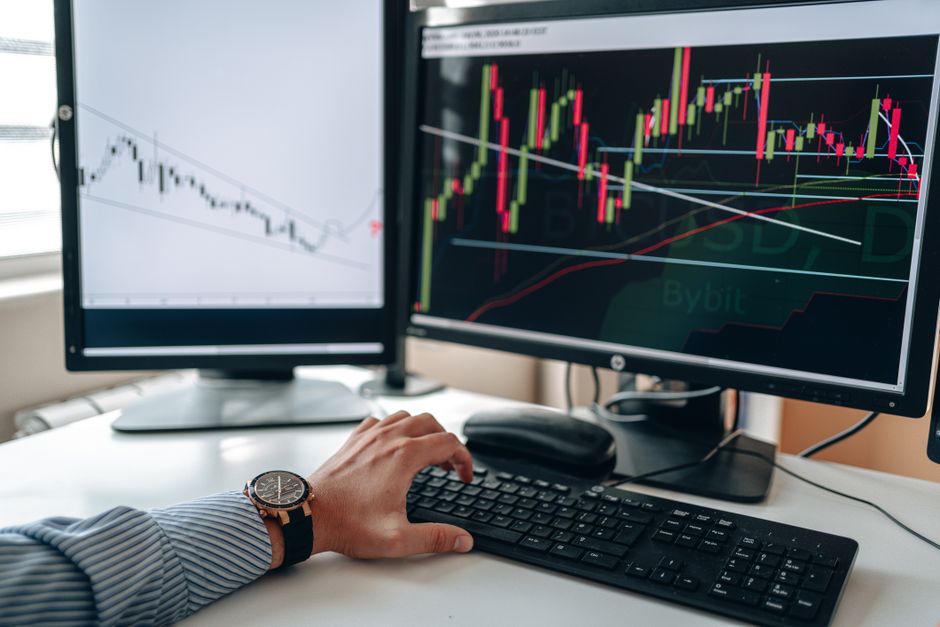
A three tier scaling system works best for consistent execution. Tier one is the baseline size used when the fifteen minute range is within normal bounds. Tier two involves a fifty percent reduction in size if the range is abnormally wide. Tier three involves a seventy five percent reduction if the range is extreme. This prevents the common error where a trader enters a large position into a move that has already exhausted its immediate momentum. The goal is to maintain a constant dollar risk per trade despite the fluctuating price action during regular trading hours.
Timeframe Selection and Consistency
Consistency in the chosen timeframe is mandatory. Using a 5 minute candle to determine the range produces different results than a 30 minute range. A 30 minute range offers a smoother data set for volatility scaling because it filters out the noise of the initial market open. The data must be logged every day to ensure the moving average of the range width remains accurate. If the data is not logged, the scaling becomes a guess rather than a mechanical process. A small sample overstates the edge and leads to poor sizing decisions.
Execution Protocols
The trade is only valid once the price breaks the established levels. If the price breaks the high of the opening range but the volatility is already at tier three levels, the position is still sized at the tier three level. The size is determined by the range, not the direction of the breakout. This separation of direction and volatility is what preserves the account. The execution happens immediately at the breakout point to avoid slippage. The math is finished before the order is sent to the exchange.